
Project Tag: Land
-
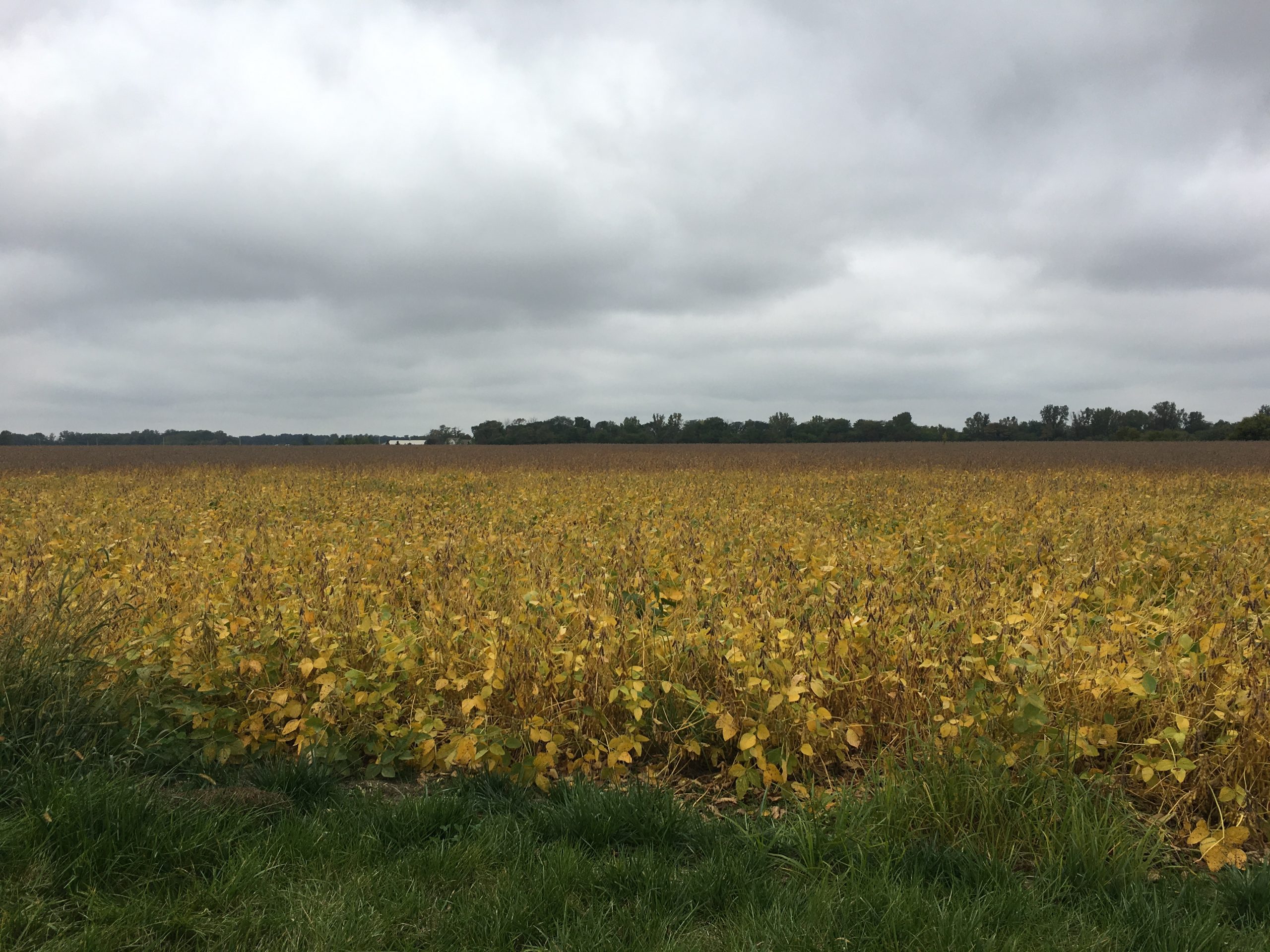
Regenerative Agriculture
Climate friendly agricultural practices preserve soil carbon and nutrients, reduce erosion and nutrient runoff while producing healthier food.
-

Nature-based Solutions
Integrated green and grey infrastructure provides economic and efficient solutions. Living green roofs, bio-swales, and rain gardens manage stormwater and provide ecosystem services – healthy air, habitat, and extreme heat mitigation.
-

Healthy Soils for Healthy Waters Conference Series
Along with soil and water research and policy leaders, Greenleaf launched a series dedicated to the development of multidisciplinary and whole system management practices for the agricultural lands that impact our nation’s waters.
-

Trout Bay Conservation
See related: LandGreenleaf supported the Nature Conservancy of Canada’s conservation purchase of Trout Bay on Lake Superior to protect natural landscapes, habitats and species unique to Lake Superior’s heritage coast.
-

Electric Power Research Institute
Greenleaf Advisors helped EPRI develop and coordinate research with The Ohio State University to find and deploy environmentally beneficial uses of synthetic gypsum including its effect on phosphorus runoff from agriculture.
-

Perennial Biomass to Reduce Nitrates
The Illinois research project led by Argonne National Lab focused on growing biofuel crops in degraded agricultural lands that reduce water pollution as well as greenhouse gases.
-
